How does THCA content vary across hemp flower strains?
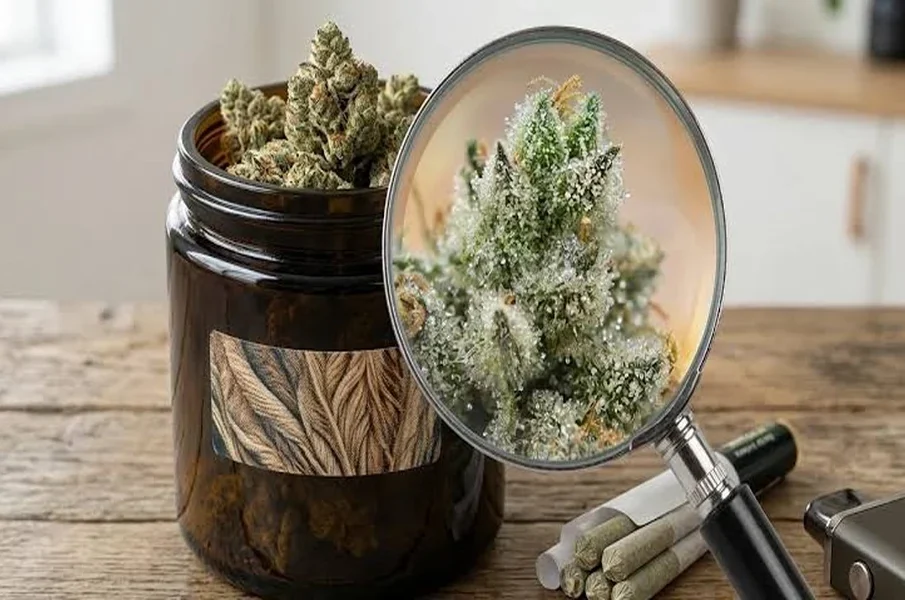
THCA content varies across hemp flower strains due to differences in genetic composition, cultivation inputs, harvest timing, and post-harvest handling that each contribute independently to the final cannabinoid concentration measured in laboratory testing. No two cultivars produce identical THCA percentages even under comparable growing conditions, as genetic variation sets the upper limit of cannabinoid output before any environmental or cultivation factor is applied during the production cycle. The OutSFL best thca flower listings provide batch-specific laboratory data confirming how THCA content varies between cultivars available for purchase, giving buyers measurable comparison points rather than relying on cultivar name or category reputation alone across different production cycles.
Table of Contents
Genetic strain variance
Genetic composition sets the maximum THCA concentration a cultivar can produce under optimal growing conditions, establishing the ceiling that cultivation inputs and harvest timing can approach but not exceed in any production cycle. High-THCA cultivars bred specifically for elevated cannabinoid output carry genetic sequences directing greater enzymatic activity toward THCA synthesis within trichome glands during flowering, compared to standard hemp cultivars developed primarily for CBD production or fibre yield at harvest. Buyers comparing THCA percentages across strains from the same producer should consult strain-specific laboratory histories rather than single-batch figures alone, as genetic consistency between harvests confirms whether the cultivar reliably delivers potency within a defined concentration range across repeated production cycles.
Four input variables
Cultivation inputs applied during the flowering phase determine how closely finished flowers approach the genetic ceiling established by the cultivar’s cannabinoid synthesis capacity across each production cycle. Each input variable contributes to the degree of THCA development within trichome structures that laboratory testing measures in the finished batch:
- Light intensity calibration – higher photon delivery during flowering drives greater trichome development and cannabinoid synthesis rate per plant across the canopy throughout the season
- Nutrient phosphorus and potassium availability – supports enzymatic THCA production within trichome glands through the critical mid to late flowering window before harvest timing confirmation
- Temperature management – temperatures maintained below 26 degrees Celsius prevent terpene and cannabinoid loss from heat stress during peak resin production across the flowering stage
- Irrigation frequency and volume – consistent root zone moisture supports uninterrupted nutrient uptake, sustaining cannabinoid synthesis through to the harvest timing point for that production cycle
Harvest timing effect
Harvest timing determines whether the plant reaches its peak THCA concentration before cutting or whether the crop is harvested before full cannabinoid development completes within trichome structures across the canopy surface area. Trichomes observed under magnification at the clear to cloudy white transition indicate peak THCA concentration for that cultivar under the specific growing conditions applied during that production cycle from planting through the final days of flowering. Continued development toward amber colouration signals the onset of cannabinoid degradation, reducing total THCA percentage in the finished flower, making harvest timing calibration a critical determinant of the potency figure ultimately measured in post-harvest laboratory testing.
Strain name limitation
Laboratory results for THCA content across different strains reflect the combined outcome of genetic potential, cultivation inputs, and harvest precision applied during that specific production cycle rather than a fixed characteristic of the cultivar name or category assigned by the producer at the point of sale. Two batches from the same-named cultivar grown by different producers under different conditions routinely produce THCA figures separated by five percentage points or more, confirming that the strain name alone provides insufficient potency information without accompanying batch-specific laboratory documentation for each production lot.
. Buyers who evaluate strain-specific laboratory data across multiple batches develop the most accurate basis for comparing THCA concentration between available options at the point of purchase.

I am Daisy Bell and a pro-level blogger with years of experience in writing for multiple industries. I have extensive knowledge of Food, Fitness, Healthcare, business, fashion, and many other popular niches. I have post graduated in arts and have keen interest in traveling.