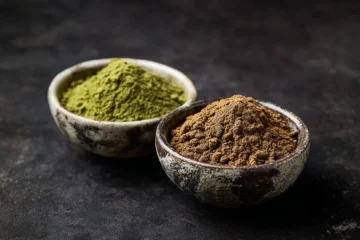
How pH quietly shapes kratom stability over time?
Table of Contents
How does pH affect stability?
Heat and light are the most commonly discussed aspects of storage. Acidity level rarely comes up, yet it runs underneath both and quietly decides whether the alkaloid profile a batch left production with survives long enough to match what a buyer eventually opens. Those who have Read on Plastic Surgery Key about kratom storage know environmental conditions matter more than labels suggest, but chemical balance is the one variable doing its work without ever appearing on the packaging.
What it actually does is straightforward. Alkaloids are sensitive to the chemical environment surrounding them, and that environment either keeps their structure intact or starts pulling at it over time. Stability means the profile at use matches the profile at production, and the acidity level is what decides whether that gap stays narrow or quietly widens every week the product sits on a shelf.
Why does pH drift happen?
Moisture is the starting point of the process. The hydrogen ions in water travel through sealed packaging, and even a small rise in humidity can cause the local chemistry to shift. The shift is slow at first. Each week, it accumulates.
Oxygen runs a parallel process. Reactive gas left at the sealing takes part in oxidation reactions that alter the environment independently of moisture. Temperature then decides the pace of everything else. Warmer conditions accelerate every reaction involved, so a product sitting in a warm and slightly humid space faces pressure from three directions at once. None of it announces itself, and a buyer opening a container months later has no visible sign that anything has changed. Only testing reveals the gap.
What does a stable pH look like?
Holding chemical balance steady across a storage period takes deliberate intervention at the packaging stage, and serious producers approach it from several angles rather than one.
Barrier packaging addresses the main driver first. Reduce the hydrogen ion load that reaches powders by resisting moisture vapour transmission. Barrier materials absorb residual moisture, keeping the environment consistently drier over months.
The sealing method adds another layer. Replacing oxygen with nitrogen or argon before closing a container removes the reactive gas responsible for oxidation-related shifts, so the chemical environment starts stable rather than working against itself from day one. Cooler temperatures slow everything down alongside these measures, stretching the stable window considerably without altering the product itself. Producers combining all four create conditions where the acidity level holds far longer than any single measure alone would support.
How does pH connect to product quality?
- A certificate records a moment. It captures the alkaloid profile under controlled conditions at production, and nothing about that document guarantees the product still matches it months later.
- Chemical stability is what keeps the two aligned. When the environment drifts, compounds break down or convert, and the profile shifts away from what the certificate shows. That gap stays invisible to the buyer until it affects how the product actually behaves.
Producers documenting their handling conditions alongside test results give buyers a way to judge whether the certificate reflects reality at the point of purchase, which is considerably more useful than a result with no context for what happened after it was taken.
A kratom’s acidity level shapes alkaloids’ stability from production to use. At every stage between sealing and opening, moisture, oxygen, and warmth push toward drift. Certificates are only considered valid when they are maintained throughout.