Best 10 UK Suppliers of Daylilies for Borders That Dry Out in Summer
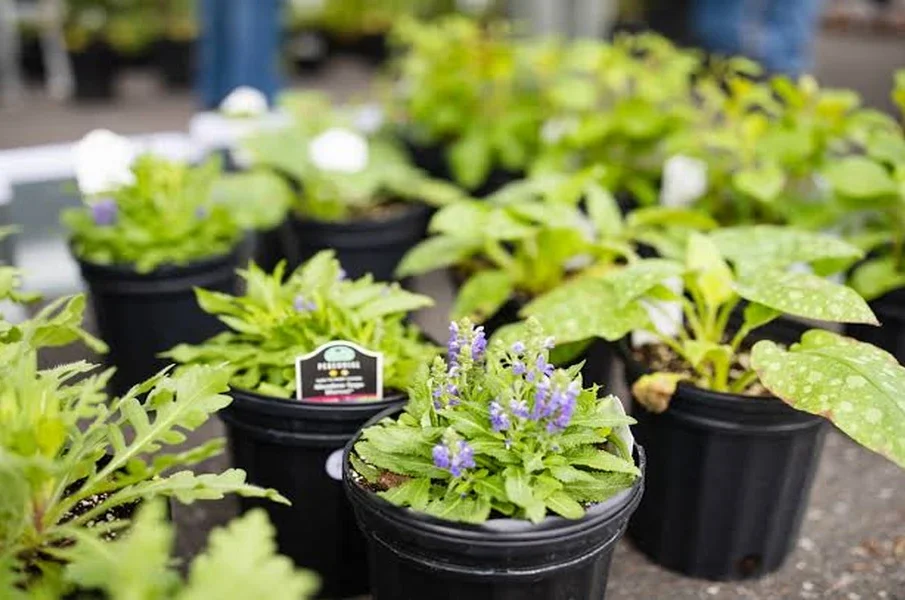
A newly planted daylily has a small volume of soil to draw on. In a British border that dries between summer showers, the soil around it can feel dry while a well-established clump a few steps away is still upright. The two plants ask different things of the person who tends the border. A purchase makes sense when you can get the new plant through the first dry spells and let its roots reach into the surrounding ground.
The RHS describes daylilies as adaptable plants that prefer some moisture in spring and summer. Established clumps can cope with drought, and flowering may diminish in dry conditions. That makes these suppliers relevant to a free-draining border that periodically dries out and can be watered during establishment. Start by thinking about when you can plant. A rooted pot for an approaching wet spell and a bare-root order planned for a cooler season create different jobs.
Table of Contents
How the dry-border offers were compared
Each entry combines a named daylily offer with supplier guidance relevant to a drying border. The comparison considers what the guidance actually says about drought or flowering, when the plant can be put in the ground, and what the supplied material will ask of the buyer. A nursery that connects its planting advice with a potted landscape option opens the list. The other suppliers illustrate different combinations of pots, seasonal divisions and useful detail about moisture. The decision depends on what you can water and when a suitable planting window opens.
Best 10 UK Daylily Suppliers for Borders That Dry Between Rains
1. Swallowtail Daylilies
The Daylily plants for sale from this UK nursery sit alongside specific advice on gardening in drying soil. The nursery discusses improving the soil’s ability to hold moisture and using mulch. Its pot-grown landscape cultivar Aten gives you a named plant to consider once you have read that guidance and prepared a place for the roots.
A sensible sequence is to get the ground ready, wait for a workable spell and order the pot when you are ready to plant it. The attraction here is the combination of the nursery’s practical advice and a named potted plant. A landscape label gives a reason to look at Aten for a border, while the growing guide explains the conditions under which a daylily can establish. Keep a way to water the planting through its first dry spells. Later, the established clump can draw on the larger volume of ground it has reached.
2. Claire Austin
Claire Austin offers Stella de Oro in a one-litre pot and describes dry soil as one of the conditions daylilies can grow in. The care notes also caution against ground that stays wet. You can order one named, rooted plant for a gap in a free-draining border and avoid taking on an entire repeat at once. The one-litre description tells you the size of the starting material you need to fit between the plants already there. Where a narrow opening can be made without disturbing the neighbours, that is a manageable way to add a daylily.
3. Crocus
The important words on the Stella Rouge page are the ones that put drought tolerance after establishment. The retailer also says the plant benefits from summer watering. Its nine-centimetre options are an individual plant and a group of three. That puts a choice about water directly in the basket. You can begin with one new root area to tend, or take responsibility for three together.
A group makes sense where all of its planting points can be reached on the same watering round. For a patch that runs beyond the reach of a hose or requires carrying water by hand, the single pot is a smaller undertaking. The nursery description gives a reason to consider the cultivar for the site, and the buying options let you match the scale of the purchase to the care you can give.
4. Proctors Nursery
An established plant and a long dry spell appear in the same care instructions for Stella Tangerine. Proctors describes drought tolerance after the plant has settled and calls for watering in prolonged dry conditions. The one-litre listing gives the buyer a specific potted plant to consider in those circumstances.
The conditions fit a border that drains well and usually has moisture during the growing season. They matter particularly where an older garden has kept flowering through ordinary summer dry spells, and a gardener is tempted to assume the new spot will behave in the same way. Read the established-plant qualification as the limit of the offer’s drought claim. The named pot is a choice for those conditions.
5. New Hope Daylilies
For someone who can wait until autumn or winter, the useful difference here is the material. New Hope offers Bonanza as a mature bare-root division with two to three fans. Its range guidance discusses drought in the context of field-grown daylilies, and its ordering page gives September through the end of March as its preferred bare-root despatch period. That gives a garden with a summer moisture problem an alternative timetable for establishing a plant.
The decision starts with whether the prepared ground will be workable at arrival. If it will, the division can go in while the immediate task is getting roots into a suitable bed. The nursery explains that orders outside the preferred period can be held and that potted plants are arranged separately. Keep the confirmed order window in your plan because despatch timing decides when you can act on that alternative.
6. Peter Nyssen
A bare-root preorder helps when the planting job can be arranged ahead. The supplier’s daylily guidance places drought tolerance after establishment, and the range includes named offers such as Crimson Pirate. The delay built into a preorder is useful only when the eventual delivery and the state of the bed will suit one another. Book for a season in which you can put the roots into prepared ground and look after the plants as they start to grow.
The offered quantities also matter. Someone preparing a short strip may be able to keep water available for every position, while a larger run would stretch the same watering round. Decide which section you can establish first. Then use the supplier’s named packs and the expected arrival to plan that section of the border.
7. Jacksons Nurseries
The nursery’s daylily catalogue describes the plants’ ability to cope with dry periods and gives options in small and larger pot formats. Bonanza is a named example in its range. The choice among pots is useful where the buyer already knows which part of a border can be tended and wants to decide how to begin.
A small pot offers a way to trial a spot before repeating the plant along the whole bed. A bigger pot from the range can also suit a planned gap if the selection and planting time fit. Keep the specified cultivar and offered pot size separate on your shortlist. A pot size tells you how the nursery supplies a plant. The eventual response to dry weather also depends on the roots getting out into the border and on the conditions they find there.
8. Gardening Express
The approximately one-litre listing for Girl Scout offers a named plant for a position with full sun and well-drained soil. The retailer calls the cultivar drought-tolerant. Use that to shortlist a daylily for the sunny end of a border that dries periodically, applying the usual RHS establishment qualification. The photograph and plant name identify a particular pot you can choose from the retailer.
Location can settle this one early. The delivery terms exclude some destinations, including the Scottish Highlands and offshore islands. Check the delivery service for your postcode before using Girl Scout as the centrepiece of a plan. Once that route is clear, you have a specified plant and format to compare with a specialist’s offer.
9. Gardeners Dream
The Stella de Oro page gives useful straight advice about the flowers. An established daylily may withstand a dry period and produce fewer blooms in dry soil. For a gardener relying on flowers to pick out the path or lift the middle of a border, that is a reason to choose the position carefully. This seller makes the difference between coping and putting on a display visible before the purchase.
Nine-centimetre and three-litre formats are shown, with the live choice depending on the variant. Decide first how much the summer display matters in the proposed position. A gardener wanting flowers close to a seat could give this purchase the part of the bed with more reliable moisture. The drier stretch can then be assessed through a summer before another pot is bought.
10. Macplants
The Corky page gives a restrained reason to buy for the right sort of drying border. The nursery prefers moist soil for the plant and says that drought and shade reduce flowering. This is helpful for a site that dries occasionally and receives useful rain or watering in between. The named offer and the pot selector give the reader a real purchase to consider in that situation.
Decide whether to use the part of the bed with better moisture now, or improve the bed ahead of a cooler planting window. Where flowers matter most, give Corky the sunny space that stays moist for longer. Put that position on the planting plan before you pick a pot.
Source note: The RHS Hemerocallis growing guide, supplier product listings and cultivation guidance, nursery ordering information and delivery terms informed the comparison.