How a Home Warranty Can Help Lower HVAC Repair Bills
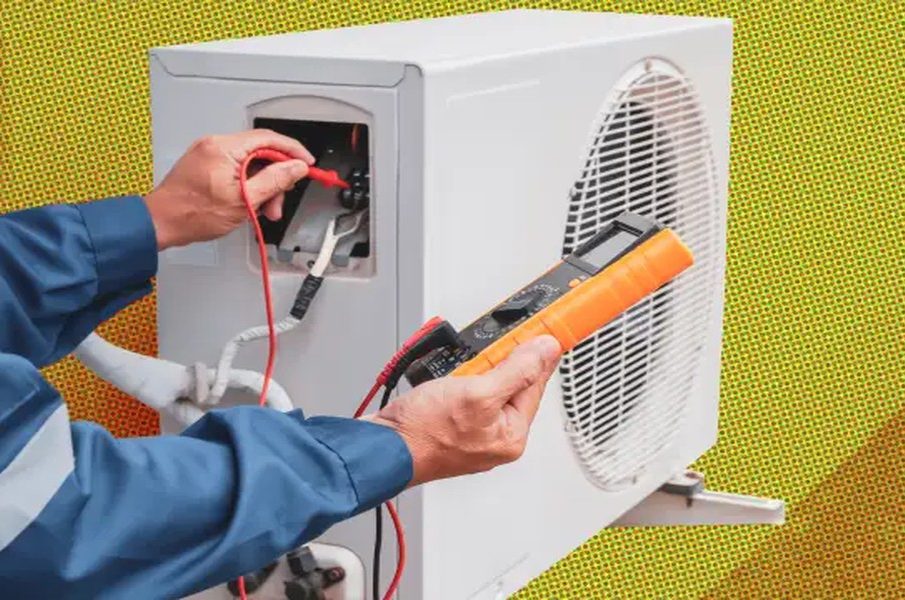
An HVAC failure can disrupt indoor comfort and create a sudden repair bill. Costly parts, such as compressors and blower motors, can strain household budgets. Homeowners can review warranty terms early and prepare for future service needs.
During seasonal HVAC reviews, many households ask, “Can a home warranty help with HVAC repair costs?” The answer depends on covered parts, service fees, payout caps, and maintenance records. A suitable plan can make eligible repair costs easier to manage.
Table of Contents
Fixed Fees Clarify HVAC Repair Costs
Repair costs feel manageable when the first payment is clear. A home warranty usually sets one service fee per approved claim. That fee helps homeowners estimate costs before the service visit. Homeowners should confirm whether separate HVAC issues need separate fees.
Key cost details include these:
- Service fees help families estimate the first claim-related repair expense.
- Some contracts charge separate fees for separate HVAC system issues.
- Claim caps show the maximum amount paid for covered repairs.
Covered Parts Reduce Repair Expenses
The largest HVAC bills usually involve failed mechanical or electrical parts. A warranty plan may help pay for covered compressors, capacitors, relays, and motors. Approved part coverage can ease pressure after a sudden system failure. That support can reduce the final bill after an approved diagnosis.
Coverage depends on the contract, system condition, and provider approval. Homeowners should compare covered part lists before plan selection or renewal. They should confirm coverage for central air, heat pumps, furnaces, and ducted units. Specific part details help families avoid confusion during future HVAC claims.
Technician Networks Speed HVAC Service
Fast repair access matters when indoor comfort depends on system performance. Many warranty providers use approved service companies for HVAC claims. That network can help homeowners reach technicians without a long contractor search. A direct service process can simplify urgent HVAC repair requests.
The provider receives the claim, assigns service, and tracks repair status. This process helps when indoor temperatures rise during the summer months. A homeowner may file a claim after weak airflow or warm vents. The assigned technician can test refrigerant pressure, electrical parts, and thermostat signals.
Major Components Receive Repair Support
Large HVAC parts can affect comfort, system life, and repair budgets. Major components can create large bills after a sudden system failure. Warranty coverage may assist when eligible parts need repair or replacement. Cost support for core components can protect household budgets. This support can help families plan costs tied to central comfort systems.
Important repair examples include these:
- Compressor failure can involve expensive parts and specialized repair labor.
- Blower motor faults can reduce airflow across several household rooms.
- Control board issues can stop signals between key HVAC components.
Homeowners should keep service records, filter receipts, and inspection notes. These records can support claim review when maintenance history matters. They can show that the system received routine care before failure.
Contract Terms Clarify Repair Costs
Clear contract language helps homeowners avoid confusion after an HVAC breakdown. A home warranty contract explains service fees, coverage limits, exclusions, and claim steps. Those details help homeowners know what the provider may pay. Written limits can prevent disputes during HVAC claim reviews.
Contract terms can explain cases tied to old damage or poor maintenance. The contract may list annual caps for HVAC repair support. It may set limits when replacement access follows failed repair attempts. Homeowners should read HVAC exclusions before the first service request.
The right home warranty can match HVAC coverage with a household’s actual system needs. Homeowners should compare service fees, part coverage, claim caps, and provider response steps. During that review, the key question becomes, “Can a home warranty help with HVAC repair costs?” A strong plan should align with system age, repair history, and coverage expectations. Careful warranty choice helps protect comfort, budget control, and repair confidence.