
Have you ever felt that your kitchen works against your daily routine instead of supporting it? Many homes rely on layouts that look fine on paper but feel awkward in real life. Cabinets feel out of reach, prep space feels limited, and movement feels cramped. The right design reshapes how you cook, gather, and move through your space.
A personalized layout focuses on habits, not templates. It adapts to how meals get prepared, how families interact, and how storage gets used every day. A custom kitchen becomes a space that supports real living, not just visual appeal.
Table of Contents
Layout Planning That Matches Daily Flow
Personalized kitchen design services start with how people move inside the kitchen each day. Designers look at walking paths, prep zones, and shared areas. This planning reduces unnecessary steps and clutter. Counters sit where hands naturally reach. Storage aligns with daily use instead of guesswork. The space feels calmer because movement makes sense. A layout that matches daily flow turns routine tasks into smooth actions rather than repeated adjustments.
Storage That Solves Real Problems
Generic kitchens struggle with wasted or awkward storage. Custom layouts fix this by matching storage to real items and habits. Deep drawers replace hard-to-reach cabinets. Vertical space gets smarter use. Storage zones align with cooking tasks.
- Drawers for cookware near the stove
- Pantry placement near prep areas
- Hidden storage for small appliances
These choices reduce clutter and save time. Storage works with the layout instead of competing against it.
Comfort Through Better Spacing and Proportions
Comfort depends on spacing that feels natural. Custom layouts adjust counter height, aisle width, and seating placement. These changes reduce strain during cooking and cleaning. Family members move without bumping into each other. Seating areas feel welcoming instead of crowded. The kitchen supports longer use without fatigue. Comfort improves daily living because the space adapts to the people inside it.
Lighting That Supports Daily Tasks
Lighting plays a key role in how a kitchen feels and functions. Custom layouts plan lighting with intention. Task lights support prep areas. Ambient lighting softens the space. Accent lighting highlights design features.
- Clear visibility for cooking tasks
- Reduced shadows on counters
- Balanced brightness across zones
Proper lighting improves safety and mood. The kitchen feels usable at any hour without harsh glare or dark corners.
Flexibility for Changing Household Needs
Household needs change over time. Custom layouts plan for flexibility rather than fixed use. Extra counter space supports busy mornings. Adjustable storage adapts to new routines. Seating areas shift between work and social use. This flexibility keeps the kitchen relevant longer. Personalized kitchen design services help future-proof the space without constant renovation. A layout that adapts continues to support daily life year after year.
A Kitchen That Brings People Together
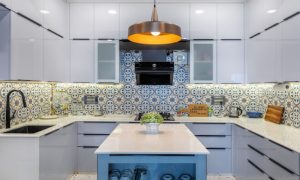
A custom kitchen layout encourages connection. Islands invite conversation. Open pathways welcome shared cooking. Seating areas feel integrated rather than added later. The kitchen becomes a natural gathering space.
- Easy movement during shared meals
- Clear sightlines for interaction
- Comfortable zones for conversation
Design supports connection without effort. Daily living improves when the kitchen feels inviting instead of restrictive.
A custom kitchen layout reshapes daily life in meaningful ways. Thoughtful planning improves movement, comfort, and storage. Lighting and spacing support real routines instead of forcing adjustments. Flexibility keeps the space useful as needs change. Most importantly, the kitchen becomes a place where people enjoy spending time. A layout designed around daily living creates lasting value beyond appearance alone.

About

Recent Post



Popular Post


7 Factors That Help You Choose the Right Male Masturbator
January 21, 2026

How Can a Custom Kitchen Layout Transform Daily Living?
January 14, 2026
Protect Career Growth: Spot Online Acting Frauds
January 1, 2026
Are Wild Hemp Cigarettes Addictive Like Tobacco Cigarettes?
January 1, 2026