Signs It’s Time for a Smoke Detector Replacement
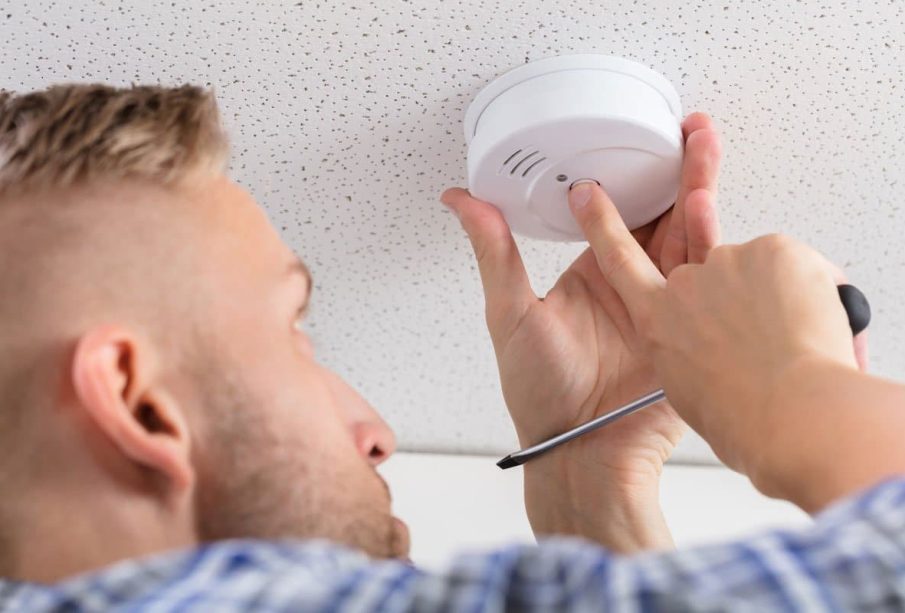
Smoke detectors do their best work quietly in the background, yet many people miss the signs it’s time to swap them out. Even small changes can point to trouble. Sometimes there’s more noise where you least expect it. In recent years, Powell and Columbus have seen house fires linked to old smoke alarms that failed when families needed them most. Data from the National Fire Protection Association shows three out of five home fire deaths happen in homes with non-working or missing smoke detectors.
Physical hints like yellowed plastic or cracks tell you your device may no longer keep you safe. Building codes also change, so keeping up with new rules helps you protect loved ones while avoiding headaches from inspections down the road. Many homeowners ask if chirping is just an annoyance, or something much bigger under the surface, and that’s where steady chirping or false alarms become your first clue.
Table of Contents
Persistent Chirping or False Alarms Increase
Nonstop chirping or a spike in false alarms often signals trouble. Over 70% of smoke alarm false calls tie to dead batteries or sensors near the end, reports Consumer Reports. You may have nights when those beeps wake you at 2 a.m. The National Fire Protection Association says that smoke alarms in the wrong spot, like too close to stoves or air vents, will chirp when they sense safe steam or dust. Experts say you should swap batteries to stop the noise, but if not, the unit may have hit its life limit after 8-10 years.
It’s common for homes to take nonstop beeps as a small glitch, yet a built-in end date will not reset. The sensors load up with dust and lose strength, so you may get no real warning by the time the sound stops.
Is this happening in your home or rental property? If so, you can set up smoke detector installation in Powell to keep your space safe.
Expiration Date on Device Has Passed
Check the date printed on your smoke detector’s label. Most makers set a clear end-of-life, and using one past that date can put you at big risk. The expiration date isn’t just a suggestion, safety drops fast once it’s past.
- Manufacturer Lifespan: Every smoke detector is built with a set life, usually around 8 to 10 years according to the National Fire Protection Association. It gets less exact as its sensors age, so you could be in danger if you trust an old unit. If you live or work in Central Ohio, you need up-to-date devices for steady protection.
- Insurance Requirements: Homeowner and property insurance policies often require code-compliant, up-to-date smoke detectors with unexpired dates. If you don’t swap out an expired device, your claim may be denied if fire damage occurs. Many providers in Ohio have started checking for compliance during renewal or new policy setup.
- Risk of Failure: A detector past its expiration has a higher chance of not sounding in an emergency, according to Consumer Reports. You could miss an alarm if worn parts fail to sense smoke, most of all at night when your family is asleep. You need devices you can trust for safety 100% of the time.
Physical Damage or Yellowing of Casing
Visible cracks, dents, or yellowing on a smoke detector’s casing may point to deeper trouble than just surface wear. The National Fire Protection Association warns that these changes can slow a detector’s response, putting you at risk.
- Structurally Weakened Sensor Housing: A cracked or chipped shell often means the unit can’t fully protect the sensor parts inside. This kind of damage makes your detector more open to dust and damp air that can block its ability to sense smoke.
- UV Exposure and Yellowing: Too much sun can cause the casing to turn yellow, which shows that air is breaking down the plastic. The National Institute of Standards and Technology reports that as the plastic breaks down, the device may not shield key parts from dirt or bumps.
- Increased Entry Points for Debris: Physical flaws create tiny gaps where dust, pet hair, or insects can get in and build up over time. This can make your smoke detector less sensitive, so you may get slower or even missed alarms during an emergency.
Upgrading for Enhanced Local Safety Standards
Upgrading your smoke detectors isn’t just about ticking a box for local rules. It’s a key move because safety rules in Central Ohio have changed with new tech and updated code. That can change the game for your home or your business. Recent updates to code in Powell and Columbus stress coverage in halls, storage areas, and attic spaces, so your old gear will often fall short.
You get real peace of mind when you know your system is ready. Many insurance carriers also need current, well-kept alarm systems, and older models might raise questions or even cause denied claims. The change goes far beyond simple swap outs.
New systems can help you spot danger zones, link with camera feeds, and add smart safety tools that fit your life today. Upgrading your smoke detectors supports both residential electrical services and commercial electrical services for a safer, smarter community.
Smoke detector replacement protects your family and business. Older alarms lose sensitivity after ten years of service. Wiring can corrode, making even battery-backed units fail when you need them most.
If you hear frequent chirping or see a yellowed case, it’s time to take action. Faded sensors and slow response can put you, your loved ones, and your place at risk without warning. A pro can check if your devices meet new safety rules set since your last update. Local experts know Powell and Columbus codes, including when hardwired alarms are a must for home electrical work. Commercial electrical work needs even tighter rules to protect tenants and assets. Sherwin Electrical has seen clients catch problems early with a yearly check, saving thousands.
We help find hidden risks that you might miss on your own because your safety comes first. You can trust a veteran-owned team to put your peace of mind ahead of quick fixes.