The Impact of Vehicle Restraint Systems on Loading Dock Safety and Efficiency
Steel wheels squeal, forklifts dart between truck beds and warehouse doors, and every movement at a loading dock carries risk. Even a minor lapse in securing a truck against the dock can trigger catastrophic accidents, from unexpected trailer creep to catastrophic load shifts. The evolution of vehicle restraint systems has been instrumental in transforming these high-risk environments into safer, more efficient spaces.
Table of Contents
Origins of Vehicle Restraint Systems in Loading Dock Safety
Early Challenges in Loading Dock Operations
Before modern restraint technologies, loading docks were notorious for accidents. Wheel chocks, wooden blocks, and hope were the primary defenses against trailer movement. But poorly positioned chocks, inclement weather, and human error often led to disastrous consequences. Workers risked crushing injuries, and companies faced frequent lost-time incidents.
Initial Methods for Securing Vehicles
In the earliest days, the focus was on manually placing wheel chocks or relying on the sheer weight of trailers to keep them in place. Unfortunately, neither technique provided consistent security. The forces generated by forklifts could easily dislodge a chock or shift a trailer, leading to incidents of early departure or trailer creep.
The Rise of Mechanical Restraints
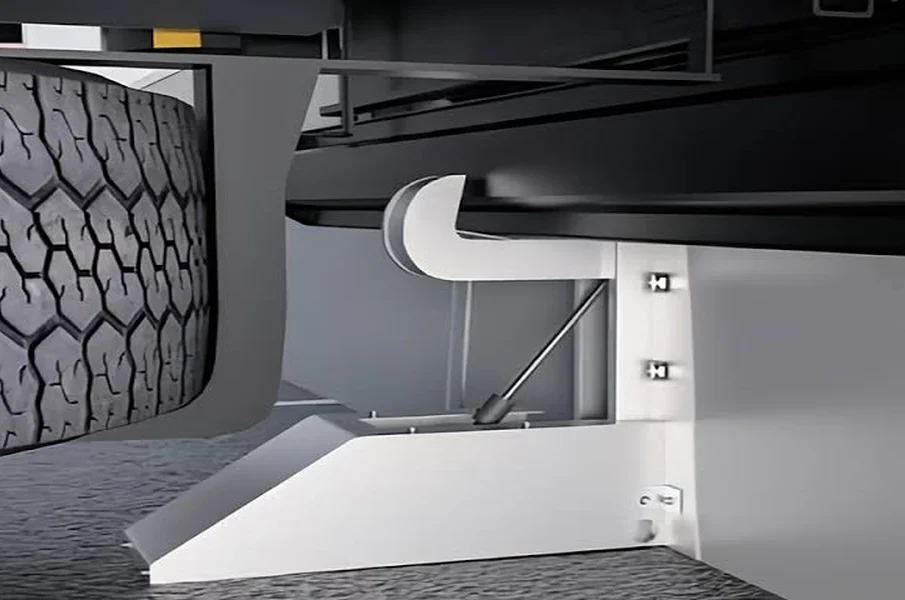
By the 1980s, mechanical vehicle restraints emerged, leveraging steel hooks that locked onto a trailer’s rear impact guard. These devices provided a stronger grip than chocks, reducing the risk of movement. However, they often required manual engagement and, without fail-safes, were vulnerable to operator oversight.
Technological Advancements and Innovations
Introduction of Hydraulic and Air-Powered Restraints
As the demand for productivity grew, manufacturers introduced hydraulic and air-powered restraint systems. These solutions automated the process of securing vehicles, ensuring consistent engagement and reducing reliance on manual labor. Hydraulic systems offered a blend of strength and reliability, making them suitable for high-volume docks.
Integration of Touchscreen Controls and Automation
The latest generation of vehicle restraints now comes equipped with touchscreen controls, allowing operators to monitor and control dock safety with precision. Features like automatic locking, visual indicators, and dock interlock systems minimize human error and improve workflow. Many of these systems can also integrate with facility management software for centralized monitoring.
Environmental and Energy Efficiency Improvements
Today’s vehicle restraint systems are designed for sustainability. Energy-efficient motors, environmentally friendly hydraulic fluids, and sealed electronics make them suitable for diverse climates while reducing operational costs. These advancements dovetail with wider industry initiatives for greener supply chains.
Impact on Worker Safety and Injury Reduction
Statistics on Injury Rates Before and After Implementation
According to industry safety data, the introduction of automated vehicle restraint systems has led to a significant reduction in dock-related injuries. Before their widespread adoption, loading dock accidents accounted for up to 25% of warehouse injuries. After implementation, that figure has dropped to under 10%, with even lower rates at facilities using integrated safety systems.
Key Safety Features that Minimize Risks
Modern restraints come with status lights, audible alarms, and interlocks that prevent doors from opening unless a trailer is secured. These features create multiple layers of protection, making it nearly impossible for standard operating errors to result in a serious incident.
Case Studies Highlighting Safety Improvements
Distribution centers that upgraded to hydraulic vehicle restraints reported fewer lost workdays, improved employee morale, and a reduction in insurance premiums. Safety audits consistently show that facilities with advanced restraint systems are safer and more productive.
Enhancing Loading Dock Efficiency Through Restraints
Reduction in Loading and Unloading Time
Speed matters in logistics. Automated restraint systems shave valuable minutes off the loading process by eliminating manual chocking and verification steps. This efficiency adds up, especially in high-throughput settings.
Compatibility with Dock Levelers and Other Equipment
The best restraint systems are designed for seamless compatibility with dock levelers, lifts, and control panels like those found in Door Doctor loading dock equipment. This integration allows operators to coordinate dock activities from a single interface, further boosting workflow.
Examples of Efficiency Gains in Various Industries
In grocery distribution, where perishable goods must move fast, automated restraints have improved turnaround times by as much as 15%. Retailers and manufacturers similarly report smoother operations and fewer delays.
Modern Vehicle Restraint Systems: Features and Benefits
From hydraulic to mechanical to air-powered units, today’s vehicle restraints offer options for nearly every dock setup.
– Ease of installation: Many models are surface-mounted, requiring minimal downtime.
– Low maintenance: Sealed systems and robust construction minimize service needs.
– Enhanced user interfaces: Touchscreen controls, visual/audible alerts, and software integration simplify daily operations.
Challenges and Limitations in Current Systems
Common Operational Issues and Troubleshooting
No system is without flaws. Malfunctioning sensors, electrical issues, or incorrect installation can compromise safety. Regular inspection and prompt troubleshooting are essential.
Environmental and Site-Specific Constraints
Outdoor docks exposed to extreme weather or irregular surfaces may require specialized restraint models. Not every site can support every type of system, and custom solutions may be necessary.
Cost Considerations and ROI Analysis
While vehicle restraint systems are a significant upfront investment, the return is clear. Lower injury rates, higher efficiency, and reduced insurance claims typically offset the costs within a few years.
Future Trends and Innovations in Dock Safety
Smart docks are on the horizon. With IoT integration, predictive maintenance alerts, and remote monitoring, future restraint systems will be more autonomous and adaptive. Regulatory changes may also mandate advanced safety features, accelerating adoption of new technologies.
Best Practices for Implementing Vehicle Restraint Systems
Selecting the right restraint begins with a thorough site assessment. Training employees on correct usage and safety protocols is non-negotiable. Finally, regular inspection and a proactive maintenance schedule ensure the system delivers on its safety promise, day in and day out.
The impact of modern vehicle restraint systems on loading docks is clear: safer workers, faster processes, and the peace of mind that comes from knowing each trailer is secure.

Hemant Kumar is a project manager at Tridindia with more than nine years of commendable experience in writing about LMS, translation, and IT. His unmatched talent and passion for digital marketing gave him the opportunity to work as a multi-tasking project manager at TridIndia’s sister company, Link Building Corp. Today, he contributes to the world by imparting knowledge on SEO, link building and internet marketing etc., that helps business owners grow their online business.