Planning a Multiday Celebration? Keeping Indian Catering Fresh and Flawless
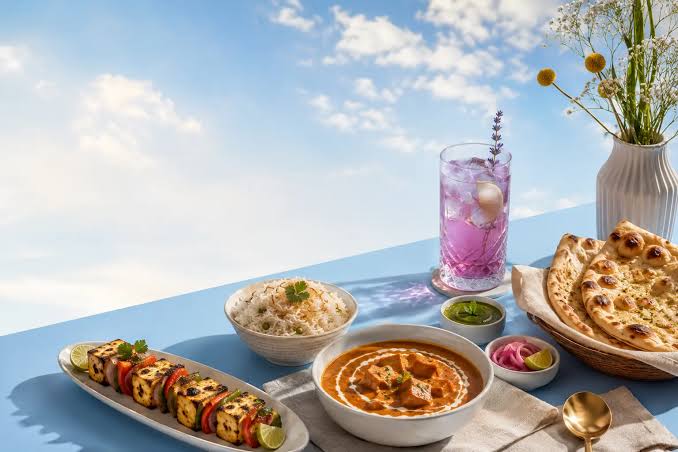
Planning a multiday celebration with Indian food catering in Chicago demands more than a delicious menu. Each meal must stay fresh, safe, and inviting for guests who may join several events in a row. Hosts and caterers face the challenge of mixing variety, careful timing, and proper storage so every dish arrives with peak flavor and visual appeal.
Making each session feel special while protecting food safety and honoring tradition takes detailed planning and clear communication. The right approach helps every guest remember the celebration for its warmth, taste, and flawless execution.
Table of Contents
Master Menu Rotation to Avoid Repetition and Keep Guests Delighted
Menu rotation for multiday celebrations starts with one key decision: how to make each function feel distinct while keeping everything connected. Each event, such as a haldi, mehndi, sangeet, or reception, calls for a unique menu, timing, and guest list. Overlapping guest lists mean the same people may attend several meals, so repeating dishes could lead to menu fatigue. Planning menus for each day will help avoid this problem. It is useful to assign a different cuisine focus, main protein, or regional specialty to each meal.
For example, one evening may feature South Indian flavors, while the next highlights North Indian classics. Changing up the style, buffet, plated dinner, or family-style, adds more interest. Keeping track of guest lists per function, not just for the overall event, makes it easier to match the right menu to the right crowd and avoid waste.
Tying each menu to its function and updating plans as changes arise helps keep everything running smoothly. This approach helps hosts and caterers working with indian food catering in Chicago keep every meal exciting for guests across multiple days.
Essential Food Safety Tips for Multiday Indian Celebrations
Food safety for multiday Indian celebrations depends on careful planning and clear protocols.
- Labor-Intensive Prep: Traditional Indian dishes often require grinding spices and slow cooking. This labor-intensive process means food must be handled by skilled staff who follow strict hygiene rules to prevent contamination during long prep times.
- Ingredient Sourcing: Sourcing high-quality, authentic spices and herbs is a challenge in some areas. Using trusted suppliers and verifying ingredient freshness before each event day helps reduce the risk of spoilage and keeps flavors true.
- Consistent Cooking Standards: With different teams or shifts preparing meals over several days, there is a risk of uneven cooking or seasoning. Clear recipes, batch labeling, and regular taste checks help maintain safety and taste across every session.
- Safe Portioning and Serving: Pre-portioning curries, gravies, and desserts helps control portions and limits cross-contact between dishes. This step also cuts down on food waste and reduces the risk of temperature abuse during repeated service.
- Careful Allergen Management: Indian menus feature a wide range of nuts, dairy, and gluten ingredients. Allergen labels and staff training are critical so each guest receives safe, accurate information at every meal.
Smart Storage Solutions to Preserve Freshness and Flavor
Keeping food fresh and flavorful across multiple days of Indian celebrations brings several unique storage decisions to the table.
- The right cooling equipment, such as commercial refrigerators or portable chillers, helps keep curries, rice, and dairy-based desserts at safe temperatures during storage. These tools help prevent spoilage and maintain taste.
- Airtight containers are key for storing aromatic dishes and spice blends. They help keep out moisture and stop flavors from mixing, preserving each dish’s signature profile.
- Dedicated hot boxes or insulated carriers help keep breads like naan and parathas soft. These boxes also maintain the right temperature, so food is ready to serve at each event.
- Color-coded bins and clear labeling make it easy for kitchen teams to separate allergens, vegetarian, and non-vegetarian items. This prevents cross-contact and streamlines prep for each meal.
- Rotating properly stored ingredients and prepared components using a first-in, first-out system ensures nothing sits too long. This approach helps maintain freshness and quality while supporting safe food handling throughout the celebration.
Optimizing Delivery Schedules for Timely, Hot Meals Every Day
Coordinating meal deliveries across several days of Indian celebrations raises several questions for planners. How can each meal arrive hot and on time? What is the best way to match delivery with event flow and guest arrival patterns?
Is there a strategy to reduce waiting and keep food at its peak? The answer starts with careful scheduling. Timed drop-offs, planned around each day’s event start, make sure food comes when guests are ready to eat.
There is less risk of food sitting too long or cooling down before service. Staggered deliveries can help when celebrations run back-to-back, so each course or dish stays fresh. Working with caterers to confirm delivery times and buffer windows accounts for traffic or setup delays.
It is smart to ask about insulated transport, which keeps dishes hot and helps preserve flavor. Some planners also coordinate with event staff, so food is transferred straight from carriers to chafing dishes or hot plates with little downtime.
This practice keeps each course warm, inviting, and ready for guests. When delivery timing fits the celebration schedule, there is less stress and more confidence in serving meals that feel freshly prepared.
A practical checklist for keeping Indian catering fresh over multiple event days covers five essentials. Rotate menus so each function offers new dishes, proteins, or regional flavors to keep guests engaged.
Follow strict food safety by training staff, sourcing fresh ingredients, and labeling allergens clearly for every meal. Use airtight storage and commercial-grade cooling to keep curries, breads, and desserts safe and flavorful.
Schedule meal deliveries to match event flow, using insulated carriers to serve dishes hot and inviting. Communicate daily with catering teams to update plans and address changes, so each meal lives up to expectations.
This approach helps ensure every guest enjoys a memorable and safe dining experience across the celebration.