New tether casinos – NFT technology integration
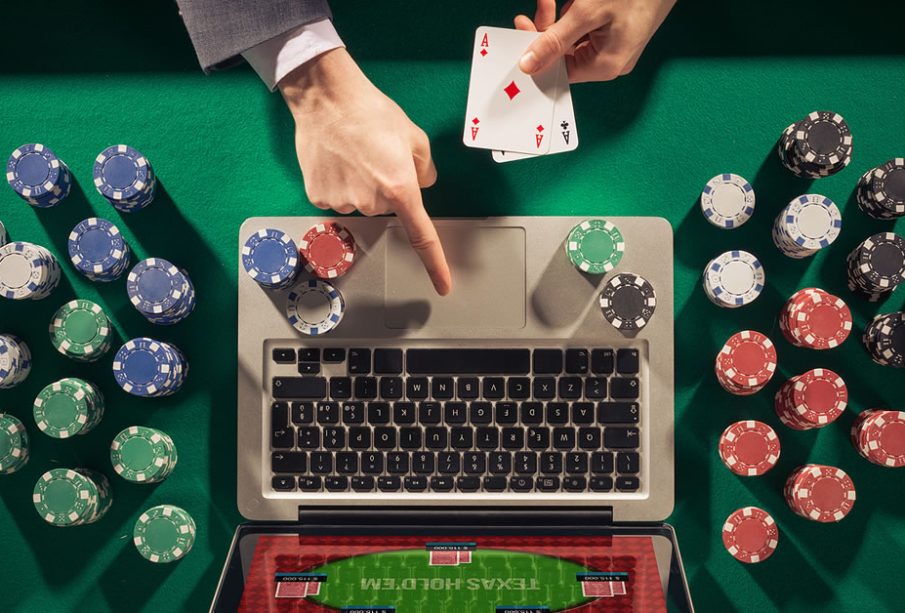
The intersection of blockchain gaming and digital collectables creates new possibilities for player engagement and ownership. new tether casinos now incorporate NFT elements that extend beyond simple profile pictures or cosmetic items. These implementations give players actual ownership of in-game assets, tournament entries, and unique gaming privileges. The technology reshapes traditional casino models where everything belongs to the house. Players accumulate verifiable digital assets that hold value independent of platform operations.
Table of Contents
Tournament entry mechanics
- NFT-based ticket systems – Entry to high-stakes tournaments requires specific NFT tickets rather than direct tether payments. These tickets exist as tradeable tokens with fluctuating market values. Players who can’t attend events sell tickets to others. Winners sometimes receive NFT trophies alongside tether prizes, creating collectable proof of achievement.
- Season pass implementations – Annual or quarterly passes grant unlimited tournament access during validity periods. Pass holders skip entry fees that regular players pay per event. The passes themselves trade on open markets, with prices rising as seasons progress and availability decreases. Early buyers profit by reselling to latecomers at markup prices.
Loyalty reward tokenisation
- Permanent perk NFTs – Traditional loyalty programs reset or expire, but NFT-based rewards live permanently on blockchain networks. Reaching certain wagering thresholds earns NFT badges that grant lifelong rakeback boosts or priority withdrawals. These perks transfer if players sell their NFTs, making them valuable beyond personal use.
- Staking reward mechanisms – Players stake loyalty NFTs in platform pools to earn passive tether returns. The longer NFTs stay staked, the higher the reward multipliers grow. Unstaking happens anytime without penalties, though it resets accumulation bonuses. This creates decisions around active use versus passive income generation.
Avatar customisation systems
- Tradeable cosmetic elements – Profile customisation happens through NFT purchases rather than in-platform cosmetic shops. Avatars wear NFT clothing, accessories, or effects visible to other players. Rare cosmetic NFTs become status symbols within platform communities. Some players focus entirely on collecting appearance items rather than on gambling activities.
- Dynamic attribute changes – Certain NFTs evolve based on player activity. An avatar NFT might change appearance after reaching wagering milestones or winning major tournaments. These transformations create unique versions that differ from base editions. Collectors value evolved NFTs higher than unchanged originals.
Game multiplier enhancements
- Boost token applications – Temporary multiplier NFTs increase potential winnings on specific games for limited durations. A 1.5x boost token might work for 100 spins on selected slots. Players buy these from the platform or other users, applying them strategically during gameplay. The tokens burn after use, maintaining scarcity.
- Permanent enhancement slots – Account NFTs create permanent multiplier slots that apply to all future gameplay. These extremely rare items trade at substantial premiums because they provide indefinite value. Platforms limit total supply to prevent excessive advantage stacking. Early adopters who secured these NFTs maintain permanent edges over newer players.
NFT integration fundamentally alters player relationships with gaming platforms by introducing actual ownership of digital assets. The technology enables new economic models where players invest in collectables that retain value beyond individual betting sessions. Platforms experimenting with these implementations discover player bases willing to engage differently when true ownership becomes part of the experience.