A Complete Guide to Plasma Donation in Utah for First-Time and Returning Donors
Plasma donation has become an essential part of modern healthcare, supplying hospitals and research facilities with the lifesaving components needed to treat a wide range of medical conditions. Across the United States, and particularly in Utah, the demand for donor plasma continues to grow as communities rely on it to support therapies for chronic illnesses, emergency care, and advanced medical treatments. Whether you are driven by a desire to help others, interested in the financial incentives, or simply curious about the process, understanding how plasma donation in Utah works can empower you to participate with confidence.
Table of Contents
Understanding What Plasma Is and Why It Matters
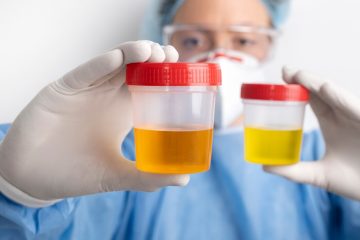
Plasma is the pale, yellow fluid that makes up more than half of the body’s total blood volume. Although it may not receive the same attention as red or white blood cells, plasma performs extraordinary work behind the scenes. It consists mostly of water, but it also contains a rich collection of proteins, antibodies, hormones, salts, and enzymes that help regulate vital bodily functions.
These components give plasma its powerful therapeutic capabilities. Plasma transports nutrients to cells, removes waste products, supports immune responses, and helps blood clot properly. For people with clotting disorders, liver conditions, or severe injuries, plasma-derived treatments are often the difference between life and death. Plasma is also crucial for producing essential medical products like immunoglobulins, clotting factors, and albumin, which are used to treat hemophilia, immune deficiencies, trauma, and severe burns.
As medical research evolves and chronic diseases become more common, the need for high-quality plasma continues to rise. This growing demand makes plasma donation in Utah especially valuable, contributing directly to medical progress and patient care.
Plasma Donation vs. Blood Donation: Understanding the Differences
Although plasma donation shares similarities with traditional blood donation, the two are not interchangeable. Understanding these differences helps potential donors choose the method that aligns best with their availability and comfort level.
Whole Blood Donation
When you donate whole blood, the center collects your blood and later separates its components for various medical uses. The entire process usually takes 30 to 60 minutes. Because whole blood includes red blood cells, which take longer to regenerate, donors are asked to wait about eight weeks before giving again. This waiting period helps ensure healthy iron levels and overall donor well-being.
Plasma Donation through Apheresis
Plasma donation uses a process called plasmapheresis. During this method, blood is drawn from your arm and processed through an apheresis machine, which separates the plasma from other blood components. The remaining components, such as red blood cells and platelets, are returned to your body.
This is why plasma donation sessions often take longer, generally lasting 60 to 90 minutes. However, because the body replenishes plasma more rapidly than red cells, donors can give plasma more frequently, typically up to twice a week. This frequency allows donors to contribute significantly more over time and increases the availability of plasma for necessary treatments.
The Life-Saving Impact of Plasma
Plasma is more than just a component of blood. It is a foundation for numerous medical therapies that support both emergency and long-term health conditions.
Treating Chronic Illnesses
For individuals living with hemophilia, clotting factors derived from plasma are essential. Without these proteins, even minor injuries can become life-threatening. Plasma also supports the creation of immunoglobulins, which bolster the immune systems of patients with autoimmune disorders or those undergoing chemotherapy.
Supporting Emergency Care
Trauma victims, burn patients, and individuals in shock frequently require plasma transfusions to stabilize fluid levels and support blood pressure. These transfusions restore essential proteins that help the body heal and prevent complications.
Advancements in Medical Science
Researchers continue to identify new uses for plasma in emerging therapies and medical innovations. As discoveries evolve, the need for plasma only increases, reinforcing the importance of maintaining a robust donor community in places like Utah.
Plasma Donation in Utah: Centers You Can Trust
Utah is home to numerous reputable plasma donation centers that prioritize donor safety, comfort, and education. Two well-known names stand out for their widespread presence and strong reputations.
BioLife Plasma Services
BioLife is recognized for its modern, well-organized facilities and friendly staff. Many donors appreciate the clean environment and the attention given to donor comfort before, during, and after the donation process. BioLife centers use advanced equipment that helps streamline the apheresis process, making the experience as efficient and painless as possible.
Additionally, BioLife frequently offers promotions for new donors, creating opportunities for added financial incentives. Their ongoing educational initiatives help donors understand the significance of their contribution, enhancing the sense of community and purpose.
Octapharma Plasma
Octapharma is another prominent plasma donation provider with centers throughout Utah. This company places a strong emphasis on community involvement and donor education. Staff members conduct thorough screening procedures and provide clear instructions for staying healthy before and after donation.
Many donors choose Octapharma for its consistent compensation structure, welcoming staff, and transparent safety protocols. Both Octapharma and BioLife have strict cleanliness standards, ensuring safe and high-quality plasma collection.
What to Expect During Your First Plasma Donation Visit
If you are new to plasma donation in Utah, walking into the center for the first time may feel intimidating. Knowing what to expect can help ease nervousness and prepare you for a smooth experience.
Registration and Medical Screening
Your visit begins with a registration process where you will provide identification and complete forms detailing your medical history. This information helps determine your eligibility and ensures that donating will not compromise your health.
Next, a staff member will check your vital signs, including blood pressure, temperature, and pulse. They may also perform a quick finger-prick test to check protein and iron levels.
The Donation Process
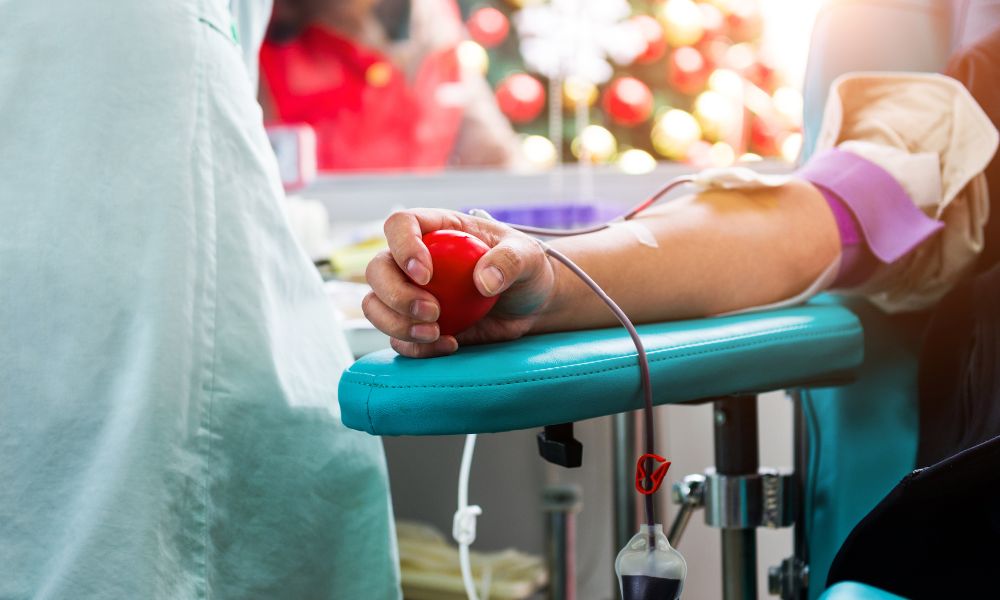
Once approved, you will be guided to a comfortable donation chair. A needle is inserted into a vein in your arm, and your blood begins flowing into the apheresis machine, which separates your plasma and returns other components to your body.
During the donation, you can read, listen to music, or simply relax. Many donors find the process unexpectedly calming.
After Your Donation
When the plasma collection is complete, you will rest for a few minutes while staff monitor your condition. Complimentary drinks and snacks help restore your energy. Afterward, you can leave but should avoid strenuous activity for the remainder of the day.
How Utah Plasma Centers Differ in Incentives and Services
Plasma centers in Utah compete to attract donors, and many offer incentives such as:
- Compensation ranging from around 20 to 50 dollars per donation
- Referral bonuses for bringing in new donors
- Extra pay for first-time donors
- Seasonal incentives or promotional bonuses
Some centers also provide amenities like Wi-Fi, comfortable donation chairs, and educational materials that explain how plasma is used. These perks can make a significant difference in your overall donation experience, especially if you plan to donate regularly.
Why Donating Plasma Is Good for Your Health
Donating plasma does more than help others. It also offers benefits for your own physical well-being.
Regular Health Monitoring
Each visit includes a mini checkup, which helps donors stay aware of their health metrics. Changes in blood pressure, protein levels, or weight are often identified early, and staff can alert donors to any concerning patterns.
Natural Replenishment and Circulation Boost
Because the body replenishes plasma quickly, the donation process stimulates fluid and protein renewal. This process may support healthy circulation and can leave donors feeling refreshed once recovery is complete.
A Sense of Purpose
Acts of service are known to contribute to emotional well-being. Donors often report feeling more connected to their community and motivated by the knowledge that their plasma directly contributes to life-saving treatments.
Understanding the Financial Side of Plasma Donation
One of the most appealing aspects of plasma donation in Utah is the compensation. While the primary motive for many donors is helping others, the financial rewards can also provide meaningful support.
Compensation varies by center and donation frequency, but many donors earn several hundred dollars per month. Referral bonus programs offer additional opportunities to maximize earnings. For students, part-time workers, or anyone needing extra income, plasma donation can serve as a flexible and manageable way to supplement their budget.
How Your Plasma Donation Helps Others in Utah
Each donation contributes to therapies that support individuals across the state. Patients with chronic bleeding disorders, immune deficiencies, or medical conditions requiring plasma-derived treatments depend on donors for their continued care.
The ripple effect extends even further. When plasma donors participate regularly, they help build a safer and more resilient healthcare system. The collective effort reduces treatment shortages, enhances emergency response capabilities, and strengthens community health overall.
Preparing for a Successful Donation Experience
A smooth donation begins long before you arrive at the center. Thoughtful preparation ensures quality plasma and helps you feel your best throughout the process.
What to Eat and Drink Before Donating
Aim for a balanced meal rich in protein and iron, such as chicken, eggs, nuts, leafy greens, beans, and whole grains. These nutrients support healthy plasma and improve your eligibility.
Staying hydrated is crucial. Drink plenty of water the day before and the morning of your appointment. Avoid alcohol, caffeine, and fatty foods, as they can affect plasma quality or make the donation process more challenging.
Debunking Common Myths About Plasma Donation
Many people hesitate to donate because of misconceptions. Some believe plasma donation is painful, but most donors describe only mild discomfort similar to donating blood. Others think frequent donation is harmful, yet medical experts agree that plasmapheresis is safe for healthy individuals. The body replenishes plasma quickly, and strict screening protocols ensure donor safety.
Education is one of the most effective ways to overcome these fears and encourage more participants.
Post-Donation Care Tips
After donating, focus on hydration, gentle movement, and nutrient-rich meals. Avoid intense exercise for at least 24 hours. Minor bruising or tenderness near the needle site is normal, but severe symptoms are rare. Listen to your body and contact the center if you have concerns.
Final Thoughts: Supporting Health and Community Through Plasma Donation
Plasma donation in Utah offers a unique opportunity to improve lives, advance medical treatments, and support your own well-being. Whether you are motivated by compassion, financial incentives, or personal growth, becoming a plasma donor allows you to play a meaningful role in strengthening healthcare for countless individuals.
With the right preparation, a clear understanding of the process, and support from experienced donation centers, your contribution can make a long-lasting impact. Helping others has never been more accessible.